Best Mining Rig Options for Your Cryptocurrency Needs?
When it comes to cryptocurrency, having the right equipment is essential. The **Best Mining Rig** can significantly impact your success. Many miners feel overwhelmed by options available today. Choosing a rig requires careful consideration.
Various factors influence your decision. These include your budget, mining goals, and energy efficiency. High-performance rigs can provide excellent returns, but they come with higher costs. It is crucial to assess your unique situation and needs.
Moreover, not all rigs deliver equal performance. Some may underperform or require excessive energy. Researching and comparing is vital before making a purchase. Consider user reviews and expert recommendations. The right mining rig can elevate your cryptocurrency venture, but making a hasty decision could lead to regret.
Overview of Cryptocurrency Mining Rigs and Their Importance
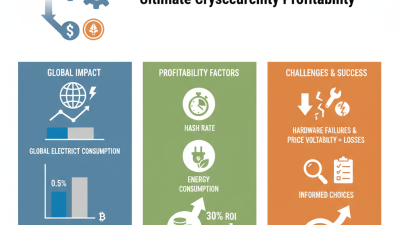
Cryptocurrency mining rigs play a crucial role in the blockchain ecosystem. They validate transactions and secure the network. According to the Cambridge Centre for Alternative Finance, the mining industry consumed around 0.55% of the world's electricity in 2021. This highlights the need for efficient rig options, especially as energy costs rise.
Selecting the right mining rig is complex. GPU rigs are popular for their flexibility and cost-efficiency. ASIC miners offer speed but at higher upfront costs. A report by CoinShares indicates that Bitcoin miners earned approximately $15 billion in revenue last year, reflecting the potential profitability of well-chosen rigs. However, profitability varies based on electricity rates and mining difficulty.
Long-lasting sustainability remains a challenge. Some rigs operate on outdated technology, leading to wasted energy and diminished returns. It's vital to evaluate performance metrics and energy consumption. Achieving optimal results requires continuous adjustments to mining strategies and hardware upgrades to remain competitive. Balancing efficiency, costs, and profitability is both an art and a science in the ever-evolving crypto landscape.
Types of Mining Rigs: ASIC, GPU, and FPGA Explained
When it comes to mining cryptocurrencies, understanding the types of mining rigs is crucial. ASICs, GPUs, and FPGAs each have unique strengths. ASIC (Application-Specific Integrated Circuit) miners are designed for specific algorithms. They are highly efficient but lack flexibility. This kind of mining is best suited for well-established coins.
GPUs (Graphics Processing Units) are versatile and can mine various cryptocurrencies. They offer more options for miners. However, their efficiency can vary based on coin difficulty. A mining rig with powerful GPUs can have a higher upfront cost, but it can also adapt to new coins.
FPGAs (Field-Programmable Gate Arrays) offer a middle ground. These are flexible like GPUs but more efficient like ASICs. They require an initial learning curve, which can be daunting. It's essential to weigh costs against potential returns.
Tip: Always research the current market trends. New coins can arise, shifting profitability.
Another tip: Consider your energy costs. Mining can consume significant power. High energy bills can eat into profits quickly.
Understanding and choosing the right rig is vital. Each type has its pros and cons. Make informed decisions to meet your mining goals.
Best Mining Rig Options for Your Cryptocurrency Needs
| Type |
Hash Rate (MH/s) |
Power Consumption (W) |
Cost ($) |
Efficiency (J/MH) |
| ASIC |
100 |
1500 |
3000 |
15 |
| GPU |
40 |
250 |
1500 |
6.25 |
| FPGA |
60 |
300 |
2500 |
5 |
Key Factors to Consider When Selecting a Mining Rig
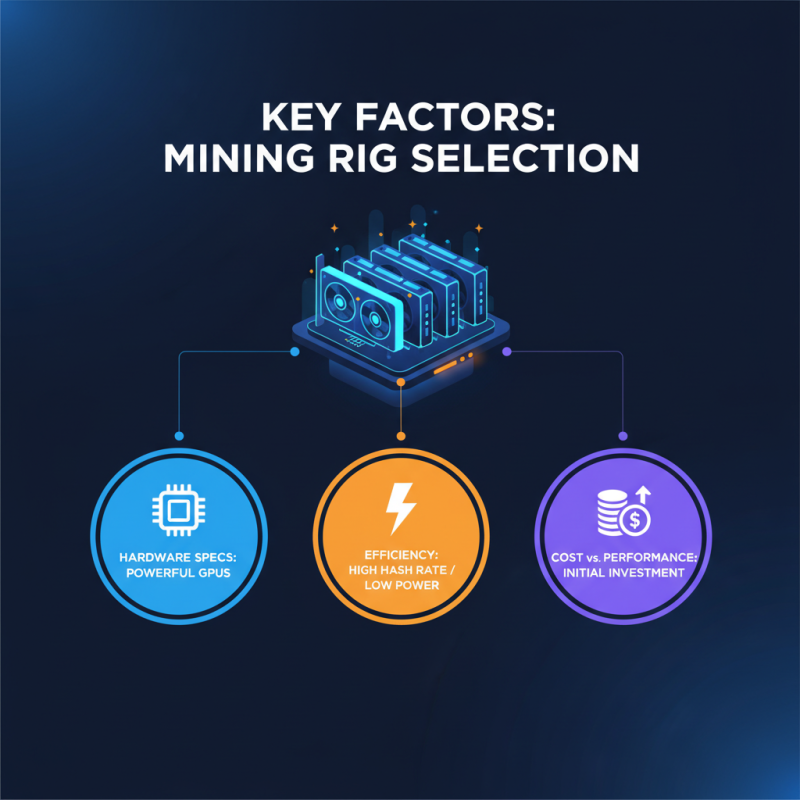
When selecting a mining rig, several key factors come into play. First, the hardware specifications are crucial. Look for rigs with powerful GPUs for efficient mining. This ensures maximum hash rates while consuming less power. However, balance is important. High efficiency does come with a higher initial cost.
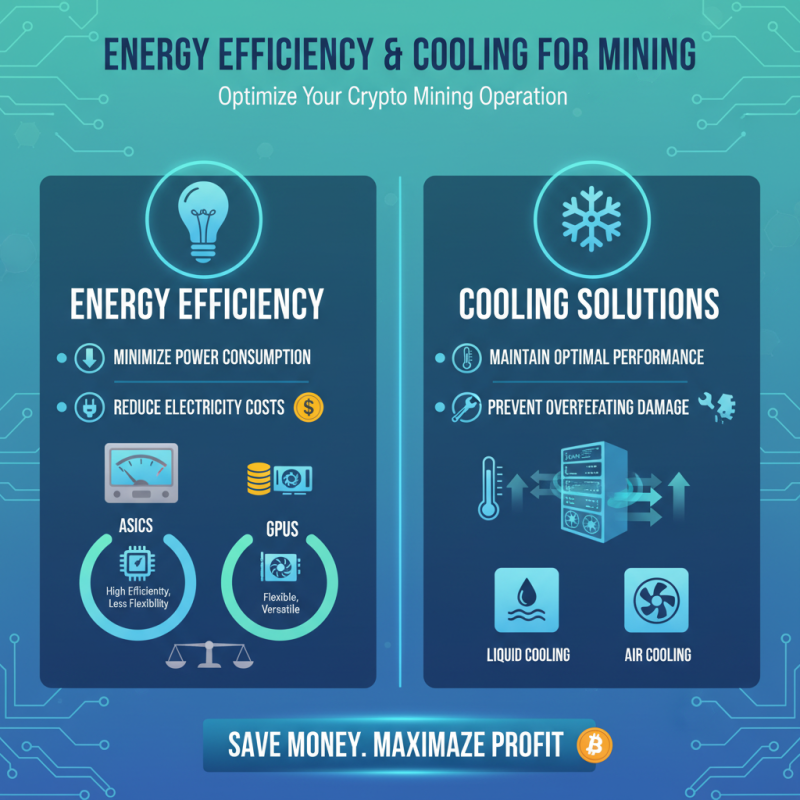
Power consumption is another vital aspect to consider. Mining can be energy-intensive, inflating your electricity bills. Assess the power supply unit’s efficiency rating. Rigs with better ratings reduce long-term costs. Additionally, cooling systems play an important role. Overheating can damage components and reduce lifespan. Adequate cooling solutions are essential for optimal performance.
Finally, assess the scalability of your rig. As the crypto market evolves, you may need to upgrade or expand your setup. This future-proofing can save time and money. However, remember that mining has its uncertainties. Market volatility can affect returns. Reevaluate your decisions frequently. Keep an eye on trends and technology.
Top Mining Rig Models for 2023: Performance and Cost Analysis
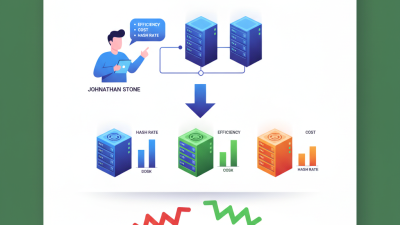
When considering the best mining rig options for cryptocurrency in 2023, several models stand out based on performance and cost. Each model caters to different needs, ranging from casual miners to dedicated enthusiasts. Many miners weigh the cost of hardware against potential earnings. Analyzing the hash rate, energy consumption, and initial investment is crucial.
Some rigs excel in power efficiency, which reduces long-term costs. This is vital when choosing a rig, as energy bills can eat into profits. A well-optimized rig can deliver more hashing power at lower operational costs. However, some models may require additional components, complicating the setup process. This added complexity often leads to confusion for new miners.
Performance can fluctuate based on market conditions and mining difficulty. Therefore, it’s wise to remain adaptable. Researching user feedback and expert reviews can provide valuable insights. Relying solely on specifications may lead to disappointment. Miners should also consider the resale value of their equipment as technology evolves rapidly. Crafting a balanced approach to selections ensures better long-term outcomes.
Mining Rig Performance and Cost Analysis for 2023