Choosing the right Portable Mining Rig requires more than comparing advertised hash rates. Global buyers must examine power efficiency, thermal design, portability, warranty coverage, and local operating rules. A compact frame may fit beside a workbench, yet its fans can produce constant noise and heat. Size can mislead. This guide introduces seven portable mining rigs selected for practical comparison, not promotional appeal. Each option deserves scrutiny across hardware quality, setup requirements, energy demand, and long-term support.
Real-world use changes the buying decision. A rig that performs well in a cool warehouse may throttle inside a warm apartment. Buyers should check ambient temperature limits, ventilation needs, electrical connectors, voltage compatibility, and shipping protection. They should also calculate electricity costs before estimating returns. Market prices and network difficulty can change quickly, so no device guarantees profit. That uncertainty matters. Reliable information should come from manufacturer specifications, independent testing, and verified user experience. We will distinguish measured performance from optimistic claims whenever possible.
The comparison also considers maintenance, spare parts, firmware access, noise levels, and regional service options. These details often decide whether a rig remains useful after several months. Some models may offer excellent mobility but weaker cooling. Others may be easier to service but less efficient. There is no perfect choice. Responsible operation means following local tax, energy, import, safety, and digital-asset regulations. It also means avoiding unsafe electrical modifications. By weighing these practical factors, global buyers can narrow the list with clearer expectations and fewer costly surprises.
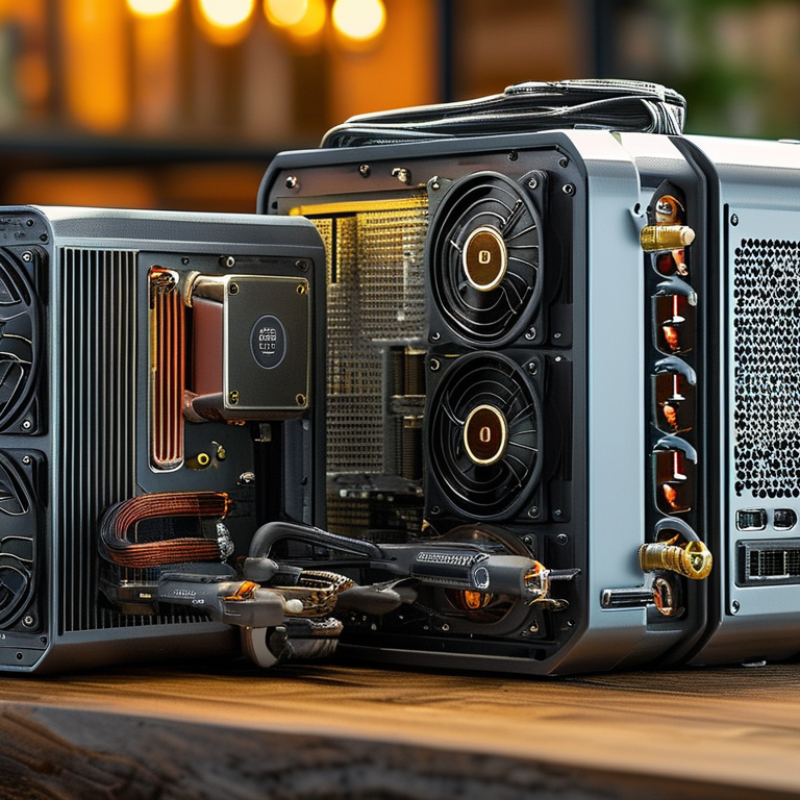
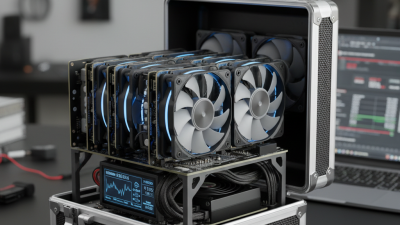
A portable mining rig is more than a smaller machine. It needs manageable weight, modular parts, efficient cooling, and stable operation in different countries. A compact frame can fit inside a reinforced case, while quick-release panels simplify inspection. Power compatibility matters too. Buyers should check voltage, frequency, plug standards, and local electrical capacity before shipping.
The International Energy Agency estimated that cryptocurrency mining used about 110 terawatt-hours of electricity in 2023, near 0.4% of global demand. That figure shows why efficiency and heat control matter for global buyers. The Cambridge Centre for Alternative Finance has also reported that renewable energy sources form a significant share of mining electricity, although the exact mix changes by region.
A portable rig should therefore support measured power use, ventilation, and remote monitoring. In field testing, cable strain and dusty filters can cause more trouble than expected. Portability is useful, but it is not effortless.
Tips:
Choose a rig with replaceable fans, standard power connectors, and clear temperature readings. Confirm customs rules and warranty coverage before transport. A lighter frame may be easier to move, yet it can vibrate more. That trade-off deserves honest testing. Include thermal pads, spare cables, and a basic power meter. Small details matter.
Comparing the seven best portable mining rig designs requires more than checking advertised hash rate. Compare efficiency, cooling, portability, electrical safety, and repair access. The seven useful categories include compact single-unit rigs, open-frame multi-unit rigs, liquid-cooled systems, immersion-ready units, modular rack rigs, containerized rigs, and solar-assisted mobile systems.
A practical comparison starts with energy efficiency, measured in joules per terahash. A 3-kilowatt rig rated at 25 J/TH produces roughly 120 TH/s before environmental losses. The International Energy Agency’s Electricity 2024 report projects global data-center electricity demand could exceed 1,000 TWh in 2026, compared with about 460 TWh in 2022. That trend makes efficient cooling and power planning increasingly important. Noise matters. Open frames move heat cheaply, but they need protected, ventilated space. Immersion systems reduce dust and sound, yet add fluid handling and transport weight.
Portability also changes the financial calculation. A containerized design offers simple deployment, but relocation needs lifting equipment and stable three-phase power. Solar-assisted rigs look attractive in remote areas, although batteries can raise the total system cost sharply. Use a calibrated power meter, thermal camera, and repeated room-temperature tests. I once underestimated cable losses during a mobile setup. That mistake affected the real efficiency figure. Manufacturer specifications remain useful, but field measurements deserve more trust. Cambridge’s digital mining research also shows that mining energy estimates vary by hardware age, operating conditions, and regional power sources. The comparison is imperfect. That is the point.
| Design | Typical Mining Capacity | Typical Power Draw | Approx. Size | Approx. Weight | Cooling Method | Deployment Time | Mobility | Noise Profile | Best Use Case | Key Limitation |
|---|---|---|---|---|---|---|---|---|---|---|
|
1. Compact Single-Unit Case
★★★★★
|
One application-specific mining unit; commonly about 90–250 TH/s, depending on the installed hardware | 2.5–4.0 kW | Approximately 70–90 × 35–45 × 35–45 cm | 25–45 kg | High-speed air cooling with replaceable intake filters | 15–30 minutes | Very high; suitable for vehicle transport by one or two people | High; typically requires a separate ventilated room | Home laboratories, field testing, temporary installations, and small-scale demonstration projects | Limited production capacity and relatively high heat and noise per unit |
|
2. Stackable Two-Unit Frame
★★★★★
|
Two mining units; commonly about 180–500 TH/s in total | 5.0–8.0 kW | Approximately 80–100 × 55–70 × 90–120 cm | 55–90 kg | Open-frame forced-air cooling with a shared exhaust duct | 30–60 minutes | High; can be separated into two lighter modules | High; acoustic treatment is normally recommended | Small commercial operations and buyers who need a scalable starting point | Requires reliable electrical distribution and adequate airflow around both units |
|
3. Wheeled Enclosed Rack
★★★★☆
|
Four to eight mining units; commonly about 400–1,600 TH/s in total | 10–25 kW | Approximately 120 × 80 × 190 cm | 140–260 kg | Filtered forced-air cooling with front-to-back airflow management | 2–4 hours | Medium; movable on level floors but not convenient for stairs | High unless installed in a dedicated utility area | Warehouses, workshops, container interiors, and temporary industrial sites | Heavy floor load, substantial heat output, and limited outdoor protection without upgrades |
|
4. Ruggedized Outdoor Cabinet
★★★★☆
|
Four to ten mining units; commonly about 400–2,000 TH/s in total | 12–30 kW | Approximately 150–220 × 90–120 × 210–240 cm | 250–550 kg | Sealed or semi-sealed cabinet with filtered air, heat exchangers, and environmental controls | 4–8 hours | Medium; transportable by pallet jack, forklift, or lifting equipment | Medium to high, depending on enclosure insulation | Remote sites, dusty environments, seasonal deployments, and outdoor industrial locations | Higher purchase cost, more complex maintenance, and possible derating in extreme heat |
|
5. Liquid-Cooled Portable Pod
★★★★☆
|
Four to twelve mining units; commonly about 400–2,400 TH/s in total | 12–36 kW | Approximately 160–240 × 100–140 × 130–180 cm, excluding external cooling equipment | 350–800 kg when filled with coolant | Dielectric liquid or direct-to-chip liquid cooling with a pump and heat exchanger | 6–12 hours | Medium-low; transportable but requires careful handling and fluid management | Low to medium; fans and pumps remain audible | Noise-sensitive industrial sites, hot climates, and high-density installations | Higher maintenance skill, fluid handling requirements, and more difficult field servicing |
|
6. Containerized Modular Mining Room
★★★★☆
|
Twenty to one hundred mining units; commonly about 2,000–20,000 TH/s in total | 60–300 kW | Standardized freight-container footprint; commonly 6–12 m long, 2.4 m wide, and 2.6–2.9 m high | 3,000–8,000 kg, excluding site equipment | Industrial air cooling or integrated liquid-cooling loops | 1–3 days after delivery, power connection, and site preparation | Low; relocatable by truck or crane rather than by hand | Medium to high outside the container unless exhaust treatment is added | Remote energy projects, mobile data-center operations, and medium-scale commercial mining | Requires high-capacity power, transport planning, foundation preparation, and permitting |
|
7. Renewable-Powered Microgrid Rig
★★★☆☆
|
Two to twenty mining units; commonly about 180–4,000 TH/s, depending on available generation | 5–60 kW mining load, plus battery and conversion losses | Highly variable; commonly 2–6 m² for the mining enclosure, with separate generation and storage equipment | 300–3,000 kg excluding solar panels, wind equipment, or fuel backup | Air or liquid cooling, combined with solar, battery, grid, or generator power management | 1–7 days | Medium-low; modular but dependent on the power-generation system | Low to high, depending on the cooling system and backup generator | Areas with surplus renewable electricity, weak grids, or demand-response opportunities | Intermittent power can reduce uptime; batteries, inverters, and protection systems add cost |
Choosing among the 7 best portable mining rigs for global buyers requires more than comparing processing speed. Power design often determines real usability. A compact rig may need 1,200 to 2,000 watts under load. Confirm the voltage range, connector type, circuit capacity, and surge protection before purchase. Never rely on a household extension cord. Heat is the quiet problem. In a small room, several rigs can raise temperatures quickly. Use dust filters, clear airflow paths, and temperature monitoring. Liquid cooling can help, but it adds maintenance points and possible leaks.
Connectivity also affects daily reliability. A wired network connection usually offers steadier performance than wireless access. Check whether the controller supports remote monitoring, automatic restart, and basic security controls. Hardware should match the workload, not just advertised speed. Examine memory capacity, power efficiency, fan quality, frame strength, and replacement-part availability. Global buyers should also verify local electrical standards, shipping conditions, warranty coverage, and lawful use in their region. Specifications alone can mislead.
Tips: Measure your outlet first. Keep intake vents away from walls. Test noise levels before installing the rig permanently. I would also leave extra power capacity, because actual consumption can exceed estimates during startup. My early setups underestimated heat and cable management. That mistake made maintenance harder. A portable design is useful only when it can move safely, run steadily, and remain practical in its intended space.
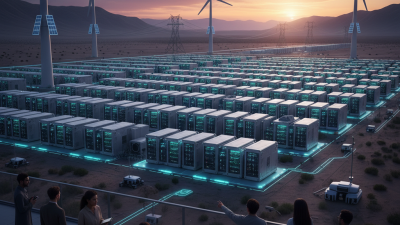
The seven best portable mining rigs serve different operating environments worldwide. Air-cooled ASIC rigs suit cold regions, where outdoor air reduces fan workload. Immersion-ready rigs perform better in hot or dusty climates, especially with stable water or cooling infrastructure. Containerized rigs fit remote industrial sites, because they simplify transport, security, and deployment. Modular low-voltage rigs work well in markets with limited grid capacity. Solar-assisted rigs suit sunny regions, but batteries remain expensive and weather-dependent. Heat-reuse rigs can support greenhouses, workshops, or district heating projects. Compact rigs suit temporary testing sites, though their lower output may disappoint.
Location matters more than advertised hashrate.
The Cambridge Centre for Alternative Finance reported a 37.6% sustainable-energy share in Bitcoin mining during 2022. That figure supports renewable-heavy regions, but it does not guarantee low operating costs. The International Energy Agency reported that data centres, artificial intelligence, and cryptocurrency mining consumed about 460 TWh of electricity in 2022. Demand could exceed 1,000 TWh by 2026.
Portable equipment therefore needs careful power planning. Measure energy prices, cooling conditions, network reliability, and local permits before shipping. A quiet coastal site may still suffer from salt corrosion. A sunny desert site may overheat equipment by noon. I would also test one unit before scaling. Real performance often differs from laboratory specifications.
Buying a portable mining rig starts with the route, not the advertised hash rate. Confirm local electrical standards, import paperwork, insurance, and site permissions before paying. A high-performance unit may draw several kilowatts continuously, so a household outlet can be dangerously inadequate. The International Energy Agency’s Electricity 2024 report estimates cryptocurrency mining used about 110 TWh globally in 2022. That figure makes efficiency and cooling practical concerns, not marketing details. Request measured power data at the intended voltage, plus noise and heat figures. Published laboratory results may not match dusty, warm conditions. Heat is unforgiving.
Transport it like sensitive industrial electronics. Use a rigid crate, moisture protection, shock indicators, and a documented inventory. Let cold equipment reach room temperature before energizing it. Condensation can damage boards. On arrival, inspect connectors, fans, cables, and physical seals. Keep airflow unobstructed, clean filters regularly, and record temperature, fan speed, rejected shares, and hash rate. The Cambridge Centre for Alternative Finance’s Digital Mining Industry Report highlights continuing pressure to improve energy efficiency and electricity sourcing. Poor ventilation wastes power and shortens component life.
Tips: Budget for spare fans, filters, surge protection, and a calibrated meter. Test the rig for 24 hours before moving it to a remote site. Keep firmware and access controls documented, but change default credentials immediately. Do not assume a sealed box is maintenance-free. I would leave a power margin of at least 20 percent, although actual needs vary by model and climate. That is the part many buyers underestimate.