How to Choose the Best BTC ASIC Miner for Your Needs?
Choosing the right BTC ASIC miner is crucial for maximizing your cryptocurrency mining efforts. In recent years, the growth of Bitcoin mining has surged, with the global market size anticipated to reach $1.2 billion by 2025 (Market Research Future). This explosive growth highlights the need for miners to select effective and powerful equipment to remain competitive.
When evaluating BTC ASIC miners, efficiency and hash rates are key factors. Miners should look for devices that offer high hash rates while consuming minimal energy. Reports indicate that top models have hash rates exceeding 100 TH/s, making them viable for serious miners seeking profit. However, the market is flooded with choices, and not all miners are created equal.
Many newcomers face challenges in selecting the best options. Some ASIC miners may not deliver the expected performance or ROI. Therefore, conducting thorough research and analyzing user reviews are essential steps. Miners must consider not only the initial cost but also the long-term electricity consumption. These aspects significantly impact profitability and sustainability in the volatile world of cryptocurrency mining.
Understanding ASIC Miners and Their Importance in Bitcoin Mining
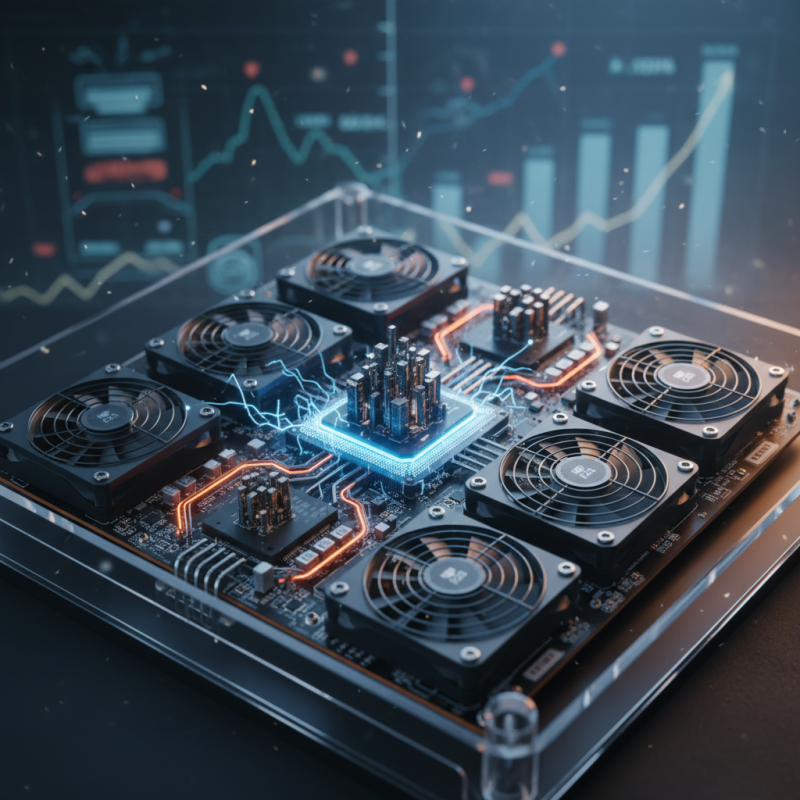
ASIC miners play a crucial role in Bitcoin mining. These specialized devices are designed specifically for this purpose, ensuring optimal efficiency and speed. According to the Cambridge Centre for Alternative Finance, ASIC miners account for over 95% of Bitcoin network hash rate. This highlights their dominance and importance in the mining landscape.
Selecting the right ASIC miner can significantly impact profitability. For instance, miners must consider power consumption and hash rate. A miner with a hash rate of 100 TH/s and a power consumption of around 3250 W may seem impressive. However, efficiency matters. Miners are advised to calculate their energy costs based on local electricity rates. In places with higher energy costs, even a powerful miner might lead to losses.
It is evident that not every ASIC miner is made equal. Miners must continuously research industry trends and equipment advancements. Constant performance evaluations are key. As technologies evolve, the efficiency gap between older and newer miners can be stark. Being informed leads to better decisions and improved mining success.
Key Features to Consider When Choosing a BTC ASIC Miner
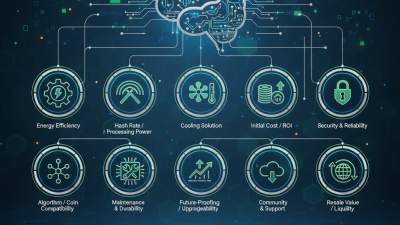
Selecting the right BTC ASIC miner involves several critical features to ensure you meet your mining objectives effectively. When assessing your options, start with hash rate. This number indicates the miner’s processing power. A higher hash rate translates to better chances of mining Bitcoin successfully. However, you're balancing performance with energy consumption. Efficient miners save costs over time.
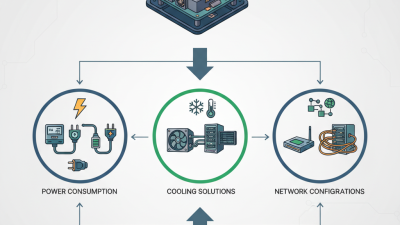
Next, consider the miner's power consumption. This metric is often specified in watts. A miner with high hash rate but excessive power draw can lead to skyrocketing electricity bills. Check the miner's efficiency, often measured in joules per terahash (J/TH). Aim for a lower number here, as it signifies better energy usage.
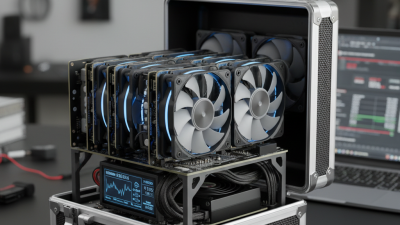
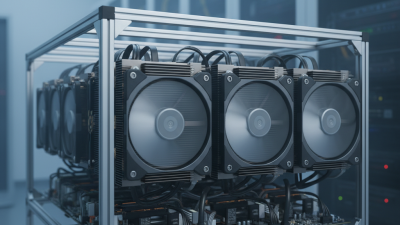
Don’t overlook the cooling systems. Mining generates a lot of heat. A robust cooling solution prolongs your miner's lifespan and maintains optimal performance. Availability of replacement parts is essential for support. Review the community feedback on maintenance challenges. Gathering past user experiences can reveal potential pitfalls or advantages. This thoughtful approach ensures you invest wisely.
Evaluating Mining Performance: Hash Rate and Power Efficiency
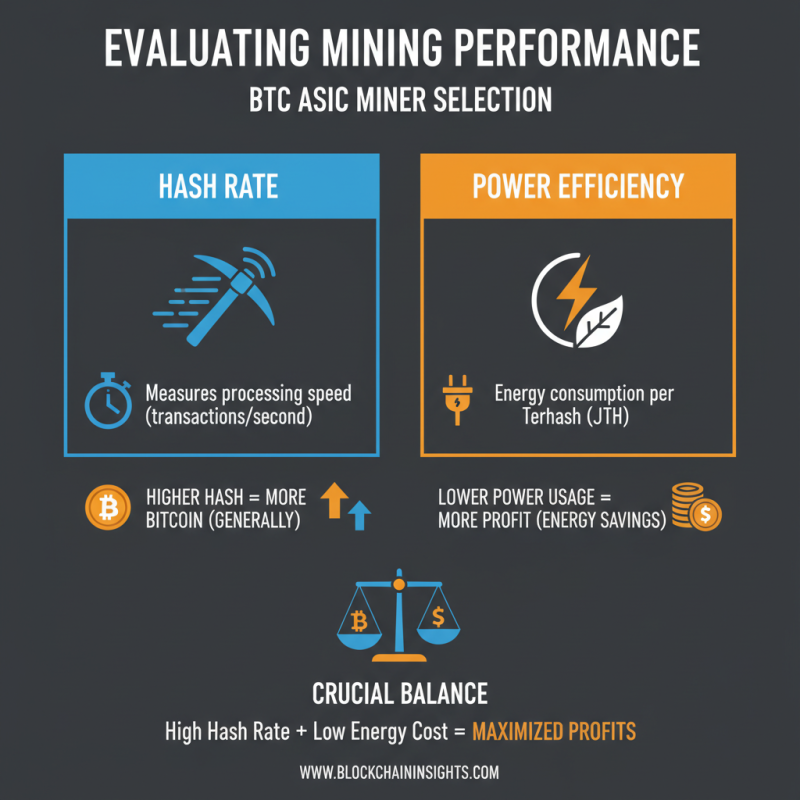
When choosing the best BTC ASIC miner, evaluating mining performance is crucial. The hash rate measures the miner's speed in processing transactions. A higher hash rate typically means more Bitcoin earned. However, it's essential to balance this with power efficiency. Without considering energy costs, high hash rates can lead to diminishing returns.
Power efficiency is measured in joules per terahash (J/TH). Lower J/TH values indicate better performance. Efficient miners consume less electricity for the same hash rate. This aspect often gets overlooked. Miners may be drawn to high hash rates only to find their electricity bills skyrocketing.
Also, remember that mining conditions vary. Ambient temperature and humidity can impact performance. Miners need to adapt their setups for optimal conditions. Reflecting on these factors helps in making informed choices. Each miner's needs differ, and considering both hash rate and power efficiency can lead to better outcomes.
Cost Analysis: Budgeting for Your BTC ASIC Mining Setup
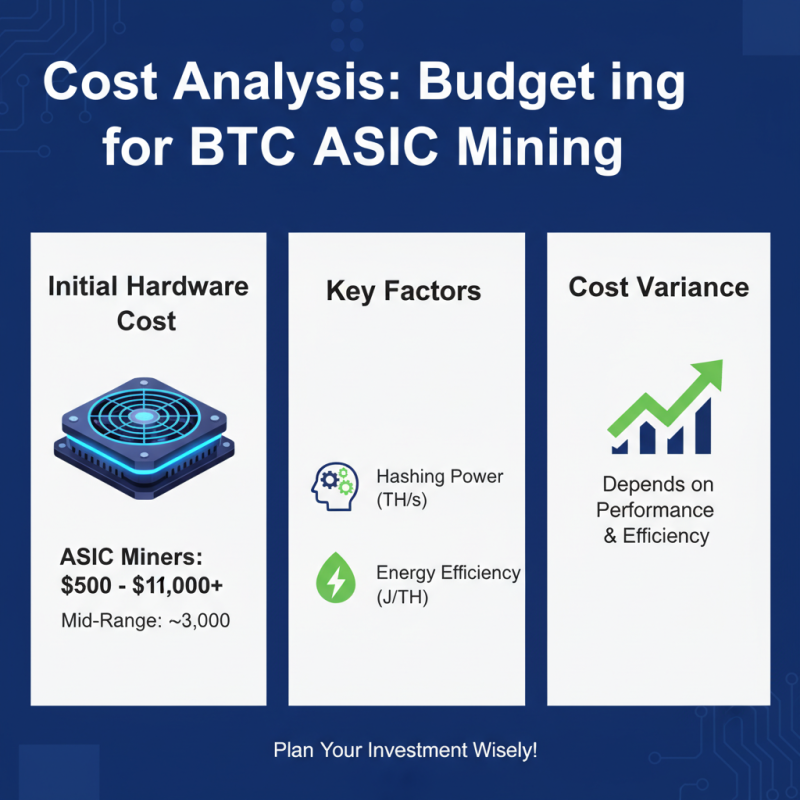
When budgeting for a BTC ASIC mining setup, understanding initial costs is crucial. ASIC miners can range from a few hundred to several thousands of dollars. For example, a mid-range miner might cost around $3,000. However, high-performance models can exceed $10,000. This large variance depends on factors such as hashing power and energy efficiency.
Energy consumption is another significant cost. A powerful ASIC miner can consume 1,500 watts or more. If electricity rates are around $0.10 per kWh, monthly energy costs can exceed $100. This expense can significantly impact profitability. Moreover, some miners opt for renewable energy solutions to reduce costs. Implementing solar panels, while initially expensive, can yield long-term savings.
Additionally, the difficulty adjustment in Bitcoin mining affects returns. Mining difficulty has increased substantially, rising over 200% in recent years. This means a miner today earns less Bitcoin than a few years ago. It’s essential to calculate potential earnings carefully. Keeping up with market trends and adjusting your strategy is vital for success. Miners must regularly reassess their profitability to stay competitive.
Long-Term Considerations: Cooling, Noise, and Maintenance Needs
When choosing an ASIC miner for Bitcoin, long-term considerations are crucial. Cooling systems are essential for optimal performance. Many miners generate significant heat, which can lead to hardware failure if not properly managed. Fans and heat sinks can help, but they also create noise. If you're sensitive to sound, consider the miner’s noise levels carefully.
Noise can be a considerable issue for home setups. Some models produce disruptive sounds that might not be acceptable in residential areas. Evaluating the decibel levels can guide your choice. Also, think about the maintenance needs. Dust and debris can accumulate, impacting efficiency. Regular cleaning can prevent performance loss but requires commitment. Ignoring maintenance can lead to higher costs over time if parts need to be replaced.
Reflect on your environment and comfort. An effective cooling system may require additional investments, like air conditioning. Balancing performance, noise, and maintenance is not easy. You may encounter trade-offs, such as choosing a quieter model that runs less efficiently. Weigh these factors according to your setup and lifestyle. Each decision will influence your mining experience and potential returns.
How to Choose the Best BTC ASIC Miner for Your Needs?
| Miner Type |
Hash Rate (TH/s) |
Power Consumption (W) |
Cooling Requirement |
Noise Level (dB) |
Maintenance Needs |
| Synchronous Miner |
110 TH/s |
3300 W |
Active cooling |
75 dB |
Regular dusting, fan checks |
| Bitmain Miner |
90 TH/s |
3200 W |
Passive cooling |
85 dB |
Annual maintenance recommended |
| Compact Miner |
45 TH/s |
1350 W |
Moderate cooling |
65 dB |
Minimal maintenance |
| Dual Mode Miner |
100 TH/s |
2800 W |
Active and passive cooling |
70 dB |
Regular fan maintenance |