How to Set Up Crypto Mining Containers for Maximum Efficiency and Profitability
In the rapidly evolving landscape of cryptocurrency, efficiency and profitability are paramount for miners striving to optimize their operations. One innovative solution gaining traction is the use of Crypto Mining Containers. These specialized, modular units are designed to house mining rigs while offering a multitude of benefits, such as energy efficiency, ease of deployment, and environmental adaptability. As the demand for cryptocurrency grows, the need for effective setup and management of mining operations becomes increasingly critical.
Setting up Crypto Mining Containers involves considering various factors to maximize returns on investment. From selecting the right location to ensuring proper ventilation and cooling systems, each element plays a vital role in enhancing the performance of mining rigs. Furthermore, the ability to scale operations quickly and efficiently makes containers an attractive option for both new and experienced miners. In this guide, we will explore best practices for establishing Crypto Mining Containers, emphasizing strategic planning and operational excellence to achieve optimal efficiency and profitability in your mining endeavors.
Understanding the Basics of Crypto Mining Containers
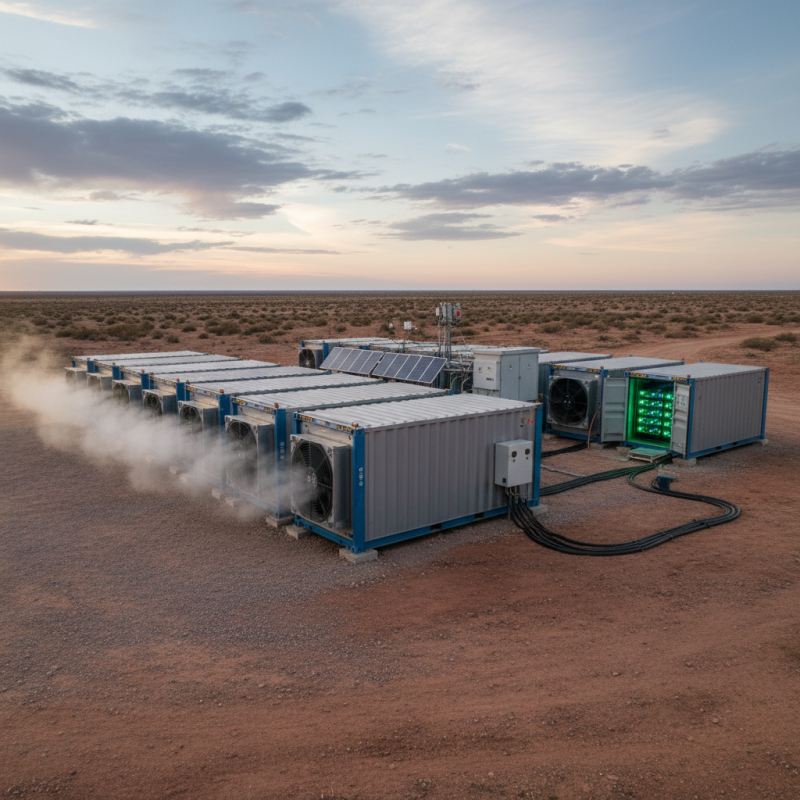
Crypto mining containers are purpose-built structures that provide an efficient environment for cryptocurrency mining operations. These containers are typically modified shipping containers, repurposed to house mining rigs and their essential components. The primary advantage of using containers is the ability to create a controlled environment where factors like temperature and humidity can be managed effectively. This helps to optimize the performance of mining hardware, minimizing downtime and maximizing profitability.
When setting up crypto mining containers, it’s crucial to understand the basic requirements for a successful operation. Adequate power supply, cooling systems, and network connectivity are fundamental. The container’s design should facilitate proper airflow to prevent overheating of the hardware, which can lead to damage or reduced efficiency. Additionally, insulation and soundproofing can be beneficial, especially in residential areas where noise levels need to be controlled. By carefully planning the container layout and ensuring that all necessary infrastructure is in place, miners can achieve a highly effective and profitable mining operation.
Choosing the Right Location for Your Crypto Mining Setup
Choosing the right location for your crypto mining setup is critical for optimizing efficiency and profitability. Temperature is a significant factor; locations with naturally cooler climates can drastically reduce cooling costs, which often represent a substantial portion of operational expenses. According to a report from the International Energy Agency, cooling systems can account for up to 50% of the energy costs in mining operations. Sites in regions such as Nordic countries benefit from naturally low temperatures, allowing miners to save on cooling infrastructure while enhancing the performance of their mining rigs.
Furthermore, the availability and cost of electricity play a crucial role in the profitability of mining operations. A study by the Cambridge Centre for Alternative Finance highlighted that regions with electricity prices under $0.05 per kilowatt-hour are often the most favorable for mining activities. Factors such as renewable energy sources and local regulations can impact these rates significantly. For instance, leveraging hydroelectric power in areas rich in water resources can lead to substantial savings and a smaller carbon footprint.
Access to reliable internet connectivity is also paramount, as downtime can severely affect mining profitability. Areas with dedicated bandwidth for large-scale operations minimize latency issues that could hinder transaction processing. Thus, when setting up crypto mining containers, evaluating the logistical and operational costs tied to the location is essential to ensure maximum efficiency and yield.
How to Set Up Crypto Mining Containers for Maximum Efficiency and Profitability
| Location |
Average Temperature (°C) |
Power Cost (USD/kWh) |
Internet Speed (Mbps) |
Total Mining Capacity (GH/s) |
Estimated Monthly Profit (USD) |
| North America |
15 |
0.10 |
100 |
1500 |
$2,500 |
| Iceland |
7 |
0.05 |
150 |
2000 |
$3,000 |
| China |
20 |
0.08 |
200 |
2500 |
$4,000 |
| Canada |
10 |
0.06 |
100 |
1800 |
$2,700 |
| Norway |
5 |
0.03 |
250 |
3000 |
$5,000 |
Essential Hardware for Efficient Crypto Mining Containers
When setting up crypto mining containers, the choice of hardware plays a crucial role in achieving maximum efficiency and profitability. The foundation of any mining operation is a powerful and efficient mining rig, which typically includes high-performance GPUs or ASIC miners. These units should have optimal cooling solutions, as managing heat is essential for maintaining performance and longevity. Additionally, selecting energy-efficient components is vital; higher wattage does not always equate to better mining output, so finding the right balance is key.
Beyond the mining hardware itself, a reliable network setup is necessary to ensure stable connections to the blockchain. High-speed internet with low latency will improve the performance of mining operations. Moreover, investing in high-quality power supplies can help maintain a consistent flow of electricity, which is critical given that any fluctuation might affect overall mining efficiency. Other considerations include appropriate cooling systems and ventilation within the container setup, as excess heat from multiple mining rigs can lead to hardware failure.
By thoughtfully selecting hardware and managing the overall environment, miners can significantly enhance their operational efficiency and potential profitability.
Optimizing Cooling and Power Supply for Maximum Mining Output
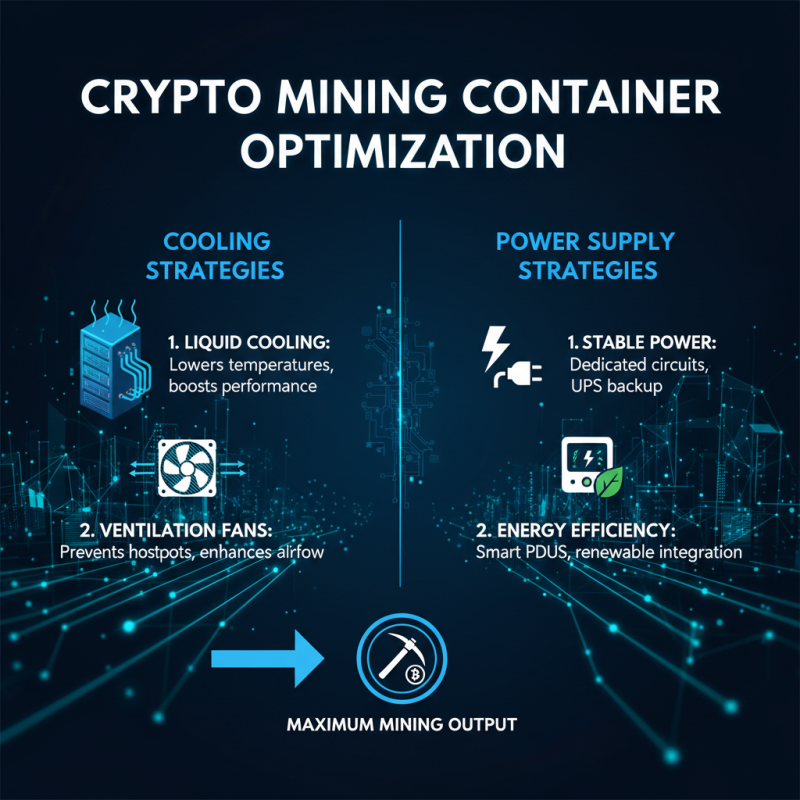
To achieve maximum mining output, effective cooling and power supply strategies are essential for optimizing crypto mining containers. Proper cooling mechanisms not only maintain the thermal stability of mining equipment but also enhance overall performance. A popular method is to utilize liquid cooling systems, which can significantly lower temperatures compared to traditional air cooling. Additionally, strategically placed ventilation fans can aid in airflow, preventing hotspots that can lead to overheating and potential hardware failure.
Equally important is the power supply arrangement, as efficient energy use directly impacts profitability. It is crucial to select high-efficiency power supply units that convert incoming electrical energy with minimal losses. Furthermore, employing power management techniques, such as dynamic voltage and frequency scaling, can optimize energy consumption during peak loads. By ensuring that the mining containers have redundant power sources, operators can avoid downtime caused by power outages, further boosting their productivity and profitability in the competitive mining landscape.
Implementing Monitoring and Maintenance Practices for Longevity
Implementing effective monitoring and maintenance practices is crucial for extending the longevity of crypto mining containers. First, regular monitoring of temperature and humidity levels within the containers is essential. High temperatures can lead to overheating of mining rigs, reducing their efficiency and lifespan. Utilizing temperature sensors and humidity monitors allows operators to receive real-time data, enabling them to make necessary adjustments, such as enhancing ventilation or cooling systems, thereby maintaining optimal operating conditions.
Additionally, maintaining the internal components of the mining rigs is vital for performance. This includes routine cleaning to prevent dust accumulation, which can hinder airflow and lead to hardware failures. Operators should establish a regular maintenance schedule to check for hardware wear and tear, including inspecting power supplies, circuit boards, and fans. Implementing software solutions that monitor the performance and health of the equipment can alert operators to potential issues before they escalate, ensuring smooth mining operations and maximizing profit through sustained performance.
Crypto Mining Efficiency and Profitability Analysis