How to Find a Custom Mining Equipment Manufacturer?
Finding a custom mining equipment manufacturer is not just a sourcing task. It is a decision that affects uptime, worker safety, maintenance costs, and production targets. A machine that looks suitable in a brochure may not fit your ore, haul roads, power supply, or site conditions. Small details matter: the width of an access tunnel, the available service space, and the time required to replace a worn component.
Custom Mining solutions should begin with a clear account of the operating challenge. Define the material, capacity, duty cycle, environmental conditions, and required safety features before comparing suppliers. Then examine how each manufacturer turns those requirements into drawings, materials, testing plans, and service support. Ask for relevant project references, documented quality procedures, and evidence of performance in comparable conditions. Check who handles commissioning, spare parts, and design changes after delivery. Details reveal a lot.
Price still matters, of course. But a low initial quote can hide long lead times, difficult maintenance, or costly modifications. Request a realistic delivery schedule and clarify what the proposal includes. If a supplier cannot explain its assumptions, pause and ask again. That can feel awkward. It is still better than discovering gaps after installation. No checklist removes every risk, and requirements may change as a project develops. A careful comparison helps buyers choose a manufacturer whose engineering, communication, and support match the work—not merely the purchase order.
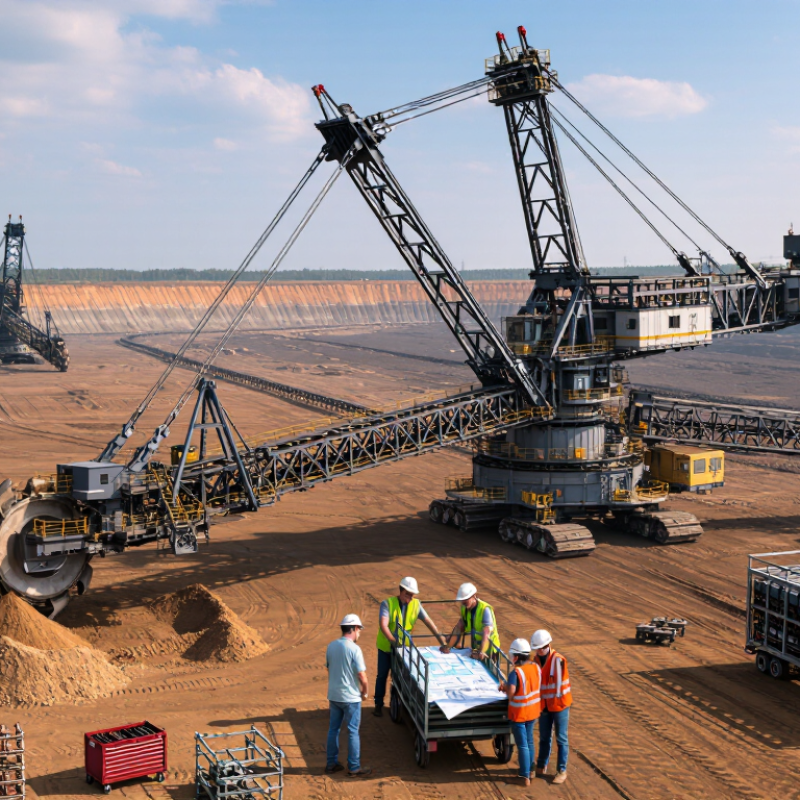
Define Your Custom Mining Equipment Requirements
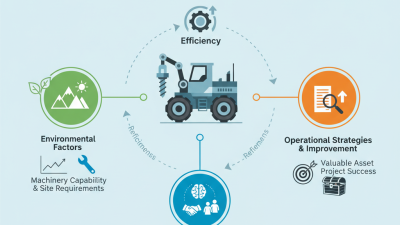
Before contacting a custom mining equipment manufacturer, define the work the machine must perform. Start with the job. Describe the material, including its hardness, moisture, abrasiveness, and typical particle size. Give a target capacity in tonnes per hour, then note expected peaks and seasonal changes. Averages can mislead. If the feed varies widely, explain how often and by how much.
Record operating conditions at the site. Include ambient temperatures, dust levels, available power, and hours of operation. Measure access routes, installation space, and height limits; a machine that fits on paper may not fit through a service doorway. Specify connections to existing conveyors or control systems. Photos, layout drawings, and sample measurements can help clarify details, but label estimates clearly. That number may need revisiting.
Separate essential requirements from preferences. List desired wear life, changeover time, inspection access, and routine maintenance tasks. Describe who will operate and service the equipment, and what skills or tools are available onsite. Ask manufacturers to identify assumptions, performance limits, and information still needed before they quote. Some details will change. That is normal, but unresolved feed or site data can distort the design, schedule, and cost. A concise requirement sheet gives both sides a practical basis for discussion.
Identify Manufacturers With Relevant Mining Industry Experience
A custom mining equipment manufacturer should understand the conditions your machine will face, not just how to fabricate steel.
Ask about projects involving similar materials, loads, and duty cycles. A conveyor handling sharp, abrasive ore has different wear demands from a unit moving damp fines. Details matter.
Request examples of comparable equipment and ask what changed after installation. Useful answers include specific design adjustments, such as thicker liners at transfer points, improved access for replacing bearings, or guards that reduce dust buildup. Ask how the manufacturer investigates failures and records engineering changes. A polished brochure can still hide a gap.
Speak with customers whose equipment has worked through more than commissioning. Ask how it performs across shifts, how often wear parts need attention, and how quickly technical questions receive useful answers. Review drawings, inspection records, and test procedures where available. Also check whether the team understands your site constraints, including limited lifting access or harsh weather. No checklist catches everything. Experience is sometimes difficult to measure, and references may not match your exact operation. Be candid about that uncertainty, then compare evidence rather than promises. A manufacturer that asks precise questions about feed size, operating hours, maintenance access, and failure history is more likely to grasp the real job.
Assess Engineering, Production, and Quality Capabilities
How to Find a Custom Mining Equipment Manufacturer?
Assess engineering, production, and quality capabilities before discussing price. Ask engineers to explain how they convert ore conditions, throughput, and site constraints into equipment specifications. A credible team should show load calculations, material choices, and wear-part designs. Request a sample drawing and a clear revision history. Small details matter: a chute liner that is difficult to replace can cause avoidable downtime.
Production capacity needs evidence, not promises. Review the workshop, machining equipment, welding procedures, and subcontractor controls. Ask how they manage long-lead components and changes during fabrication. Deloitte and MAPI’s 2023 smart manufacturing survey found that 86% of surveyed manufacturing executives viewed smart manufacturing solutions as a key competitiveness driver over the following five years. That figure is not a mining-specific benchmark, but it reinforces the value of traceable production data. Quality checks should include material certificates, dimensional records, weld inspections, and documented load or functional tests.
Tips: Ask for a quality plan tied to your equipment, not a generic certificate. Check how nonconforming parts are recorded and corrected. Then speak with a past customer about delivery and field support. Perfect paperwork is not proof of reliable performance; real operating feedback can still reveal gaps.
Verify Safety Compliance, Support, and Supplier Reliability
A custom mining equipment manufacturer should be able to show how each machine meets the safety requirements for its intended site and task. Request current inspection records, risk assessments, guarding details, emergency-stop locations, and documented load limits. Check that the paperwork matches the exact configuration you plan to buy, not a similar model. Paperwork is only a starting point. Ask how safety checks are performed during assembly, and whether test results can be independently verified before shipment. A brief video call from the workshop can reveal details that polished brochures miss, such as exposed pinch points or unclear maintenance access.
Support matters after installation, when a worn seal or delayed part can disrupt a shift. Get response times, spare-parts availability, technician coverage, and operator-training arrangements in writing. Ask for references from customers using comparable equipment and contact them with specific questions about downtime and service follow-through. If possible, inspect a finished unit and review a sample maintenance schedule. No supplier is flawless. A missed detail in a quotation can still cause friction later, so record assumptions about site conditions, operating hours, and custom changes. Reliable manufacturers answer difficult questions directly and explain what they cannot guarantee.
Compare Proposals and Select a Manufacturing Partner
Compare proposals against the same operating conditions, not just the quoted price. Give each manufacturer identical details about throughput, ore abrasiveness, moisture, available space, and operating hours. Small differences in assumptions can make two prices impossible to compare fairly. Check whether the proposal includes engineering drawings, wear-part specifications, installation support, commissioning, and operator training. If these items are excluded, ask for separate costs in writing.
Look closely at the delivery schedule and its dependencies. A stated lead time means little if design approval or imported components are not included. Ask how the manufacturer inspects welds, tests moving assemblies, and documents dimensional checks. Request relevant project references, then confirm what equipment those customers actually received.
A shop visit can reveal practical details: organized material storage, clear inspection records, and realistic assembly space. Useful clues.
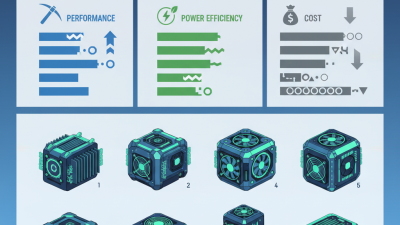
Score proposals using weighted criteria for technical fit, service access, delivery risk, and total lifecycle cost. Clarify warranty limits and spare-parts availability before negotiating. A polished spreadsheet can still conceal a poor fit, and I would not ignore that discomfort. Sometimes the best partner is not the cheapest or most impressive; it is the one that answers specific questions plainly and records agreed changes.