How to Find Cheap Bitcoin Mining Hardware Worldwide?
Finding Cheap Bitcoin Mining hardware worldwide requires more than comparing headline prices. A low-cost ASIC may look attractive at $400, yet shipping, import duties, voltage requirements, and repair costs can quickly change the final budget. This guide examines those details before recommending any purchase.
Readers will learn how to compare hash rate, energy efficiency, noise, cooling needs, and expected operating costs. A practical example helps: a used miner running in a warm garage may need extra ventilation and consume more power than expected. Seller history, serial numbers, warranty terms, and clear product photos also matter. Trusted marketplaces and established distributors usually provide stronger documentation, although no seller is risk-free.
The phrase Cheap Bitcoin Mining should never mean ignoring safety, legality, or realistic returns. Mining rules, electricity prices, and import requirements differ between countries. Check local regulations and calculate your break-even point before sending payment. A simple spreadsheet can include the machine price, delivery fee, taxes, power rate, pool fee, and likely downtime.
Prices change often.
Some listings are misleading.
This guide also recognizes an uncomfortable reality: the cheapest hardware is not always the best value. Older machines may be affordable but inefficient, loud, or difficult to repair. Even experienced buyers can misjudge demand, currency changes, or future network difficulty. Careful research cannot remove every uncertainty. It can, however, make each decision more transparent, lawful, and financially responsible.
Define Your Bitcoin Mining Goals and Hardware Requirements
How to Find Cheap Bitcoin Mining Hardware Worldwide?
Define Your Bitcoin Mining Goals and Hardware Requirements
Before searching for low-cost mining hardware, define what you want to achieve. Are you testing mining at home, building a small operation, or planning a larger site? Your answer affects the required hash rate, power capacity, cooling system, and budget. A cheap machine can become expensive when it consumes too much electricity.
Measure your local electricity price in kilowatt-hours. Then estimate daily energy use with the hardware’s power rating. For example, a 3,000-watt machine running continuously uses about 72 kilowatt-hours daily. Check ventilation, room temperature, and noise levels too. A hot, closed room may reduce performance and shorten equipment life. It sounds obvious, but many beginners overlook airflow.
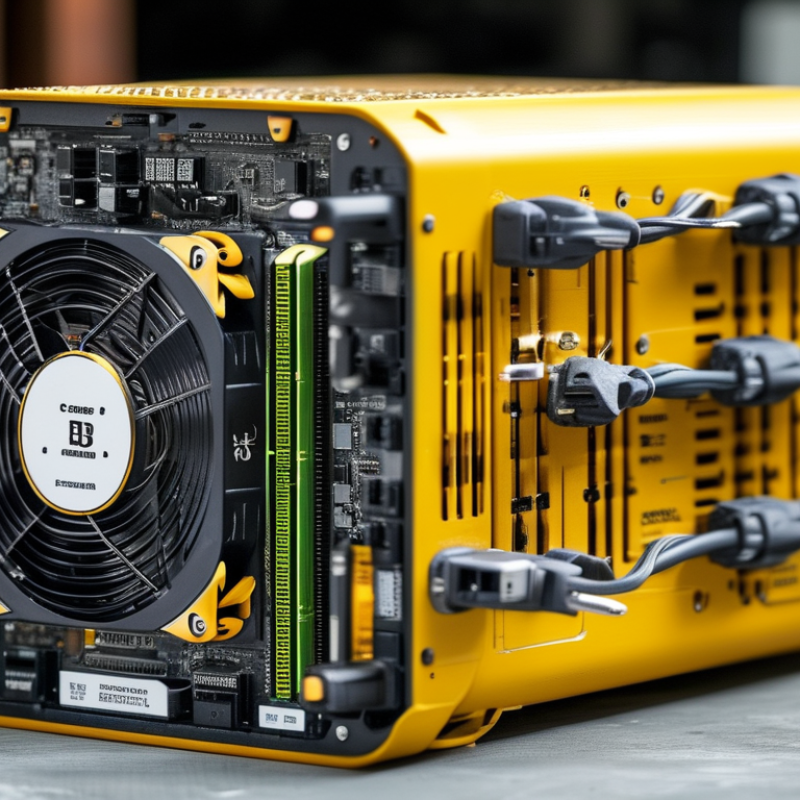
I have found that used equipment can offer lower prices, especially through verified marketplaces and regional suppliers. However, inspect operating hours, repair history, power cables, and cooling fans. Request a live performance test when possible. Confirm import duties, electrical standards, warranty terms, and local mining regulations before paying. A low purchase price is not always a low total cost. My early estimates also ignored seasonal electricity changes, which made the projected return too optimistic. Leave room for maintenance, delivery delays, and hardware failure. Choose equipment that matches your real operating conditions, not an attractive specification sheet.
Compare ASIC Miner Prices Across Global Markets
Finding cheap Bitcoin mining hardware requires more than comparing headline prices. ASIC miner costs vary across North America, Europe, Asia, and the Middle East. Local electricity rates can change the purchase decision completely. A cheaper machine may consume more power and produce less profit. Compare hashrate, energy efficiency, noise levels, warranty coverage, and expected delivery time. Add shipping, customs duties, taxes, and payment fees before judging any offer. These details often turn a low listing price into an expensive purchase.
Tips: Build a total-cost spreadsheet. Record the machine price, freight, import charges, electricity, cooling, and maintenance. Check the seller’s physical address and return terms. Request recent operating data, not only promotional specifications. Used equipment can look attractive, but damaged power systems may require costly repairs.
Market prices also change with currency rates, seasonal demand, and network difficulty. A calculator using yesterday’s Bitcoin price may become inaccurate quickly. That is easy to overlook. Compare at least three regional offers on the same day. Confirm voltage compatibility and local safety requirements before payment. I would avoid rushing because a limited-time discount can hide missing information. Even careful comparisons can be imperfect, especially when uptime and repair access are uncertain. Choose equipment that fits your budget, legal location, electrical capacity, and realistic operating conditions.
Evaluate Shipping, Taxes, Warranties, and Seller Reliability
Cheap Bitcoin mining hardware is rarely cheap after delivery. Calculate landed cost before comparing listings: machine price, freight, insurance, import duty, VAT, brokerage, and local electrical work. The World Bank’s 2023 Logistics Performance Index shows major differences in customs speed, tracking, and delivery reliability across markets. A low quoted price may hide weeks of delay and storage fees.
Shipping also affects warranty decisions. Ask for the exact package weight, dimensions, tracking method, and damage procedure. Photograph the sealed crate before opening it. Request a short acceptance period for testing hash rate, temperature, fan noise, and power draw.
The International Energy Agency estimated Bitcoin mining used about 110 TWh in 2023, or roughly 0.4% of global electricity. That scale makes efficiency important, but advertised performance can differ from field results. Hashrate Index hardware research also shows that power efficiency strongly influences resale value and mining economics.
Seller reliability needs evidence, not polished reviews. Check a verifiable company address, tax invoice, serial-number records, repair history, and payment protection. Confirm whether warranty shipping is one-way or both ways. Some warranties exclude used units, modified firmware, unstable electricity, or dust damage. Customs classification can also vary between countries, so confirm the tariff code with an official broker. I would keep a cash reserve for failed fans or damaged hashboards. My own cost models still miss occasional delays. That weakness deserves attention before purchase.
Calculate Total Costs and Expected Mining Returns
Finding cheap Bitcoin mining hardware worldwide requires more than comparing purchase prices. Calculate the complete cost before ordering. Include the machine, shipping, customs duties, taxes, power cables, cooling equipment, and local repairs. A low-priced unit may arrive with worn fans or unstable hash performance. Ask for recent test results, power readings, and clear photos. Keep written records of every quote.
Expected mining returns depend on several changing factors. Use this basic estimate: daily revenue minus electricity, pool fees, maintenance, and downtime. Measure power in kilowatt-hours, not guesses. For example, a 3,000-watt machine running continuously uses about 72 kWh daily. At $0.10 per kWh, electricity costs $7.20 each day. Bitcoin price, network difficulty, and block rewards can change quickly. Use conservative assumptions and calculate several scenarios. My own planning mistake would be trusting a best-case forecast. It looked attractive, but small fee increases removed the profit.
Tips
Compare total delivered cost, not the online listing price. Check your local electricity rate first. Consider noise and heat, especially in apartments or warm climates. Keep a repair reserve for fans, power supplies, and unexpected downtime. Test hardware for several days before expanding. A spreadsheet helps, although it cannot predict every failure. Check import rules and warranty terms before payment. Avoid sellers who refuse basic operating evidence. Expect the calculation to become outdated. Recheck it monthly.
Choose, Inspect, and Safely Purchase the Best Value Hardware
How to Find Cheap Bitcoin Mining Hardware Worldwide?
Low price means little without efficiency, condition, and dependable delivery. I compare joules per terahash before comparing purchase prices. The Hashrate Index’s machine-market data shows efficiency strongly affects resale value and daily operating costs. A cheaper unit can become expensive under high electricity rates. Check the advertised hash rate against power draw. Calculate energy use at your local tariff. Small errors matter.
Inspect real evidence before payment. Request a recent operating video, readable serial number, temperature readings, and a screenshot from the mining interface. Ask whether the unit was repaired or operated in dusty conditions. My own mistake was trusting clean product photos. The fans sounded fine, but the control board later failed. That lesson was costly. Leave room for imperfection.
Use established marketplaces, written invoices, and protected payment methods. Confirm warranty limits, return procedures, customs charges, and delivery insurance before ordering. The Cambridge Centre for Alternative Finance estimated Bitcoin mining consumed about 95.4 terawatt-hours annually in its 2022 industry analysis. That figure shows why electricity efficiency deserves serious attention. The report also estimated sustainable energy sources supplied roughly 37.6% of mining electricity. Choose hardware that fits your local power and cooling limits, not merely the lowest listing. Keep every document.
How to Find Cheap Bitcoin Mining Hardware Worldwide
Comparison of anonymized ASIC miner categories using representative 2025 market ranges. Lower electricity efficiency and lower hardware cost per terahash generally indicate better value, but shipping, import duties, warranty, and operating conditions must also be checked.
The value score is based on a balanced view of purchase cost, hashrate, and power efficiency. Always inspect operating hours, repair history, test videos, serial-number records, and measured power consumption before purchasing used hardware.