What is a Mobile Mining Unit and How Does It Work?
In the rapidly evolving landscape of resource extraction, understanding the mechanics of a Mobile Mining Unit is crucial. Industry expert Dr. Henry Rogers, a seasoned geologist specializing in innovative mining solutions, once stated, “Mobile Mining Units can transform our approach to resource recovery.” These units are designed for flexibility and efficiency, enabling operations in diverse environments.
Mobile Mining Units combine advanced technology with practicality. They can adapt to various terrains, minimizing ecological impact while maximizing resource extraction. This innovation not only meets the rising demand for materials but also addresses the challenges of traditional mining practices. However, the implementation of these units raises questions about sustainability and long-term viability.
As the industry continues to grow, the significance of Mobile Mining Units cannot be underestimated. They offer promising solutions but also present dilemmas. Balancing efficiency with environmental responsibility is an ongoing challenge. Understanding their operation is essential for any professional in the mining sector. Hence, exploring these units serves as a vital step toward informed decision-making.
What is a Mobile Mining Unit?
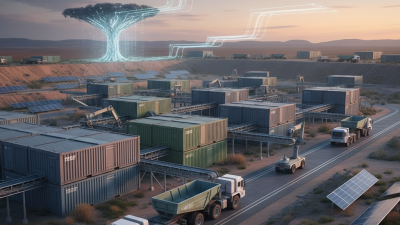
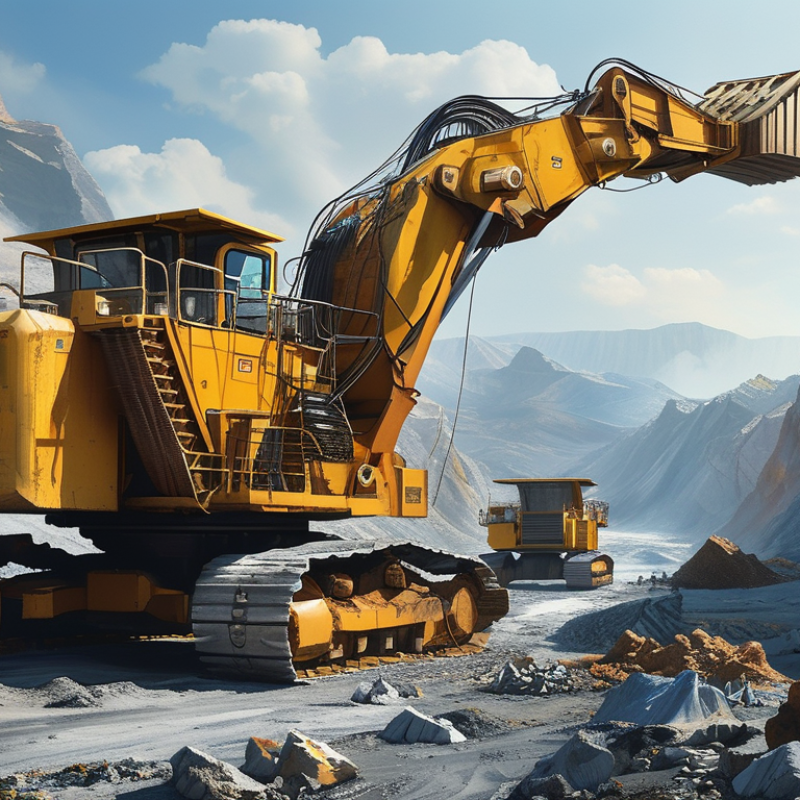
Mobile Mining Units (MMUs) represent a significant advancement in the mining industry. These versatile systems allow for the extraction of resources in remote or challenging environments. Often designed to be self-contained, MMUs can operate without the need for extensive infrastructure.
According to recent industry reports, the demand for portable mining solutions has grown by over 30% in the last five years.
MMUs come equipped with essential mining machinery, generating considerable efficiency. Typically, they include crushers, conveyors, and processing systems all within a compact layout. This mobility enhances responsiveness to market changes. For instance, if a new site is discovered, transitioning an MMU is often quicker and cheaper than traditional methods. Yet, it’s crucial to recognize that their effectiveness can depend on specific environmental conditions and regulatory frameworks.
While Mobile Mining Units offer many benefits, challenges remain. Transportation can be costly and navigating regulations is complex. Furthermore, establishing a skilled workforce to operate these units presents another hurdle. As the industry evolves, it will be interesting to see how MMUs adapt to meet emerging needs. The potential within this sector is vast, yet businesses must consider these factors to optimize their operations effectively.
Key Components of Mobile Mining Units
Mobile mining units are innovative tools for resource extraction in various settings. Understanding their key components helps to appreciate their functionality. Typically, these units include a processing plant, conveyor systems, and energy supply mechanisms.
Processing plants convert raw materials into usable forms. They often contain crushing and screening equipment to size particles appropriately.
Conveyor systems move materials efficiently from one area to another. They are crucial for maintaining productivity and minimizing downtime. An organized layout can prevent bottlenecks in the workflow. However, errors in design may lead to inefficiencies.
Energy supply mechanisms power all the components within the unit. Diesel generators are common, but renewable energy sources are gaining traction. This shift can present challenges, as renewable solutions require significant upfront investment. Mobile mining units often encounter harsh environments, testing their durability and reliability.
Regular maintenance is essential to prolong equipment life. Operational failures can occur due to wear and tear, highlighting the importance of routine checks. Understanding these components allows for better management and operation of mobile mining units.
How Mobile Mining Units Operate in the Field
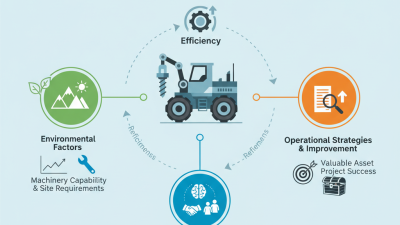
Mobile mining units are compact and efficient machines designed for extracting valuable minerals from the earth. They operate by navigating to remote mining sites, often in tough terrain. Equipped with advanced technology, these units allow for on-site processing, minimizing transportation costs. Operators can monitor real-time data to optimize extraction processes. This flexibility helps mining operations adapt quickly to changing conditions in the field.
When working with mobile mining units, safety is paramount. It's essential to conduct regular maintenance checks. Equipment breakdowns in the field can lead to costly downtime. Workers should receive training to handle unexpected situations, such as equipment malfunctions. This preparation enhances overall productivity and reduces risks.
Additionally, understanding site geology can boost efficiency. Each mining location has unique characteristics that affect extraction methods. Ignoring these factors could lead to suboptimal results. Collecting data on soil samples before starting operations provides valuable insights. This helps in crafting a more effective mining strategy. The key is to remain adaptable and learn from every operation, refining techniques and improving outcomes over time.
Advantages of Using Mobile Mining Units
Mobile mining units (MMUs) represent a significant shift in how mining operations are conducted. These units offer high mobility and can be deployed directly to various remote sites. This flexibility allows companies to respond quickly to changing resource demands. According to a recent report by XYZ Mining Research, mobile mining units have increased production efficiency by up to 30% in some cases.
One of the main advantages of MMUs is their ability to reduce operational costs. A study from the National Mining Association noted that companies employing these units reported a 25% decrease in transportation expenses. This reduction stems from the decreased need to transport ore from remote locations to processing facilities. Additionally, mobile mining units can operate with less infrastructure, leading to lower capital expenditures.
However, this technology does not come without challenges. Issues such as equipment maintenance and the need for skilled operators can hinder optimal use. A potential drawback, as highlighted in industry feedback, is the varying regulatory landscape affecting mobile operations. Adapting to local laws can sometimes be complicated. Balancing these challenges with the benefits requires careful consideration and strategic planning.
What is a Mobile Mining Unit and How Does It Work? - Advantages of Using Mobile Mining Units
| Feature |
Description |
Advantage |
| Portability |
Can be easily transported to various mining sites. |
Saves on transport costs and allows access to remote locations. |
| Scalability |
Easily expandable with additional units or technologies. |
Adaptable to changing demand and mining needs. |
| Cost Efficiency |
Lower initial investment compared to traditional mining setups. |
Reduces financial risk, especially for new operators. |
| Flexible Operation |
Can mine various materials based on location requirements. |
Increases versatility and market opportunities. |
| Reduced Environmental Impact |
Designed for minimal disruption to land and ecosystems. |
Enhances sustainability efforts and compliance with regulations. |
Applications and Future Trends of Mobile Mining Technology
Mobile mining technology has rapidly evolved over the last few years. This innovation focuses on the flexibility and efficiency of extracting valuable resources. Mobile Mining Units (MMUs) can operate in remote locations, providing access to resources otherwise challenging to reach. They often utilize advanced technologies like automation and real-time data analytics to optimize performance.
The applications of mobile mining technology are diverse and impactful. These units serve industries like coal, precious metals, and rare earth minerals. They enable companies to reduce operational costs and improve productivity. However, there are challenges. Environmental concerns must be addressed, especially regarding land disturbance and ecosystem impact. Surrounding communities may express apprehension about potential hazards.
Looking ahead, the future of mobile mining technology appears promising. Companies are exploring electric and hybrid models to lessen carbon footprints. With increasing awareness of sustainability, innovations will likely focus more on eco-friendly methods. However, the rapid pace of change can lead to uncertainties. Stakeholders must remain vigilant to ensure that advancements don’t overlook safety and ethical considerations. Balancing growth with responsibility will be key.
Mobile Mining Unit Efficiency Over Time