How to Use a Mobile Mining Unit for Efficient Resource Extraction?
The concept of utilizing a Mobile Mining Unit has gained traction in resource extraction. These compact units combine efficiency and mobility, allowing miners to operate in various locations. However, many operators struggle to maximize their potential.
A Mobile Mining Unit offers a way to access valuable materials in remote areas. Its design facilitates quick setup and transport. Yet, not all units are created equal. Some operators may overlook maintenance, leading to reduced efficiency. Understanding the intricacies of each unit is essential for optimizing performance. Inadequate planning on site can also diminish yield.
Enhancing the use of Mobile Mining Units requires constant learning and adaptation. Each extraction site presents unique challenges. Collecting data from past operations can inform future decisions. Embracing this cycle of improvement is crucial for success in this dynamic industry.
Understanding Mobile Mining Units: Definition and Overview
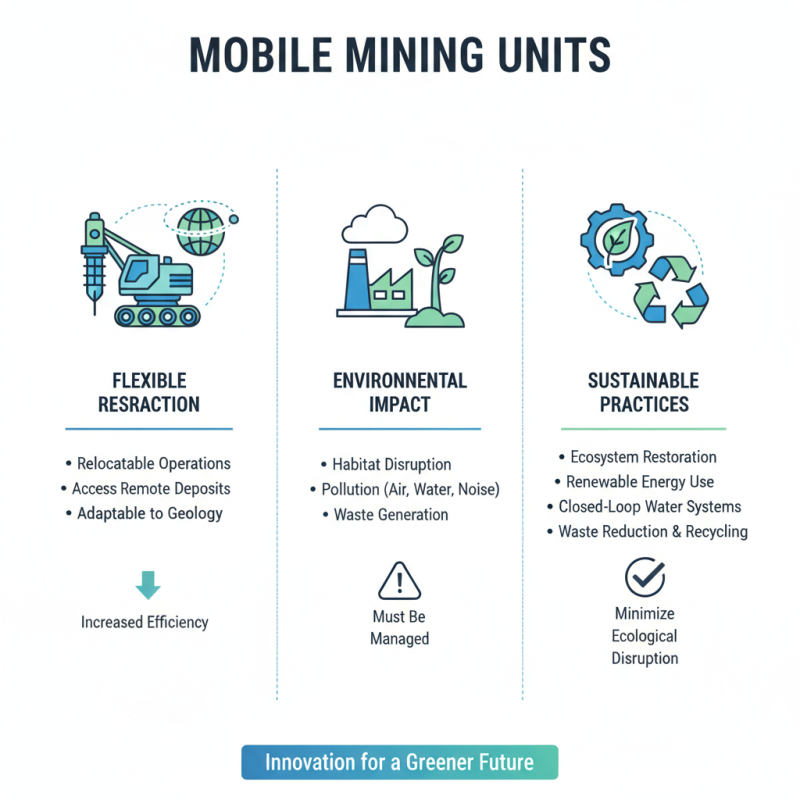
Mobile mining units (MMUs) represent a transformative approach in resource extraction. These units are designed for mobility and efficiency, allowing operators to access remote locations with ease.
According to recent industry reports, the employment of MMUs can increase productivity by up to 30%. This is particularly crucial in regions where traditional mining methods are less feasible.
An MMU typically integrates advanced technologies, enabling real-time data collection and analysis. This capability allows for better decision-making in the field. For instance, geospatial data can inform operators about the most productive areas for extraction. However, the rapid advancement of technology also raises questions. Are operators adequately trained to utilize these innovations? Inadequate training can lead to inefficiencies and safety risks.
The flexibility of mobile mining units also presents challenges. While they can be deployed in various terrains, adapting them to specific locations can be complex. Each site requires a tailored approach, which can strain resources. For example, logistical issues may arise when transporting units. As the demand for efficient resource extraction grows, evaluating the long-term sustainability of MMUs becomes increasingly important.
Key Technologies in Mobile Mining Units for Efficient Resource Extraction
Mobile mining units are revolutionizing resource extraction in various industries. These units are designed to operate autonomously in remote locations, making resource handling more efficient. Key technologies like GPS tracking and automated drilling systems enhance precision and reduce operational costs. The incorporation of real-time data analytics allows for better decision-making in resource management.
A major innovation is the use of advanced sensors. These sensors can detect mineral compositions and assess the quality of deposits. This technology helps in optimizing extraction strategies. However, reliance on technology can sometimes lead to overconfidence. There is a risk of overlooking traditional methods and local knowledge. Balancing technology with human expertise is essential to maximize efficiency.
Energy efficiency is another critical factor. Solar panels and alternative energy sources can power these mobile units, reducing their carbon footprint. Yet, transitioning to these energy options can present challenges. Limited sunlight in some regions can affect performance. Continuous monitoring and adjustments are necessary to adapt to changing environments and improve overall effectiveness.
How to Use a Mobile Mining Unit for Efficient Resource Extraction? - Key Technologies in Mobile Mining Units for Efficient Resource Extraction
| Technology |
Description |
Efficiency Increase (%) |
Environmental Impact |
| Autonomous Navigation |
Utilizes GPS and sensors for automatic operation and route optimization. |
30 |
Reduces fuel consumption and emissions. |
| Modular Design |
Flexible configurations for various mining applications. |
20 |
Minimal site disruption; designed for easy transport. |
| Real-Time Data Analytics |
Collects and analyzes operational data for informed decision-making. |
25 |
Optimizes resource use and minimizes waste. |
| Hybrid Power Systems |
Combines various energy sources to enhance efficiency. |
15 |
Lower carbon footprint due to reduced reliance on fossil fuels. |
| Advanced Sorting Technologies |
Utilizes AI algorithms for better ore separation and recovery. |
40 |
Improves resource recovery while lowering waste output. |
Step-by-Step Process of Deploying a Mobile Mining Unit on Site
A mobile mining unit can improve resource extraction efficiency. To deploy one effectively, preparation is crucial. First, assess the site conditions. Consider terrain, accessibility, and resource availability. Take note of any potential hazards. This helps to craft a solid plan before moving ahead.
Once you have evaluated the site, gather necessary equipment. Ensure your mobile unit is in good condition. Check fuel levels and maintenance requirements. Prepare tools and safety gear. A well-prepared setup reduces risks and ensures smooth operations. Remember, unforeseen issues can arise. Being ready makes a difference.
After setting up, monitor the extraction process closely. Observe how well resources are being gathered. Adapt strategies if necessary. Sometimes, the unit may not perform as expected. Reflect on what can be improved. Gathering feedback from the team is vital. Continuous improvement boosts efficiency in future operations.
Analyzing Cost-Benefit Metrics for Mobile Mining Unit Operations
Mobile mining units present a complex cost-benefit equation for resource extraction. They require significant upfront investment, sometimes exceeding $1 million per unit. Yet, their portability allows for operations in remote locations, reducing transportation costs. A recent industry report notes that using mobile units can decrease extraction times by up to 30%. This means faster returns on investment, but companies must weigh this benefit against ongoing operational costs.
Fuel consumption is another critical factor. Mobile units can consume more fuel over time compared to traditional setups. Research indicates that fuel costs often account for 15-20% of total operational expenses. Companies should analyze local fuel prices and estimate consumption rates. If fuel costs rise, the financial viability of mobile units may diminish. Regular maintenance is also necessary to ensure efficiency. Skipping maintenance can lead to costly breakdowns and downtime, which affect productivity.
Another aspect to consider is workforce training. With advanced technology, staff must be skilled. Training costs can add up quickly. An estimated 10% of project budgets often go toward employee training and safety. While investing in skilled labor is essential, businesses must ensure these costs do not outweigh the benefits of efficient resource extraction.