10 Best ASIC Crypto Miners for Global Buyers?
Choosing the right Asic Crypto Miner is no longer a simple comparison of advertised hash rates. Global buyers must examine efficiency, electricity prices, cooling needs, warranty terms, delivery routes, and local compliance requirements. A machine producing impressive terahashes may still lose money beside expensive power or weak ventilation. Numbers need context.
Ethan Vera, COO of Luxor Technology, has said that mining is a game of efficiency. That principle shapes this guide to the 10 Best ASIC Crypto Miners for Global Buyers. Each model deserves practical scrutiny, not just a position on a ranking table. We consider joules per terahash, expected uptime, noise levels, firmware support, and repair access. These details matter in a warehouse, a home operation, or a professionally managed facility.
The strongest miner on paper may not be the best purchase for every region. A hot climate can increase cooling costs. Import delays can leave expensive equipment idle. Some warranties also look less useful when shipping is slow or service centers are distant. Buyers should confirm voltage, plug standards, customs rules, and regional restrictions before ordering.
This comparison cannot promise profits. Cryptocurrency prices change quickly. Network difficulty changes too. That uncertainty is easy to underestimate. I would also question rankings based only on manufacturer specifications, because real-world results can vary with firmware, temperature, and pool performance. Still, careful comparison can reduce avoidable mistakes and help buyers select equipment suited to their budget, location, and operating experience.
What Is an ASIC Crypto Miner and How Does It Work?
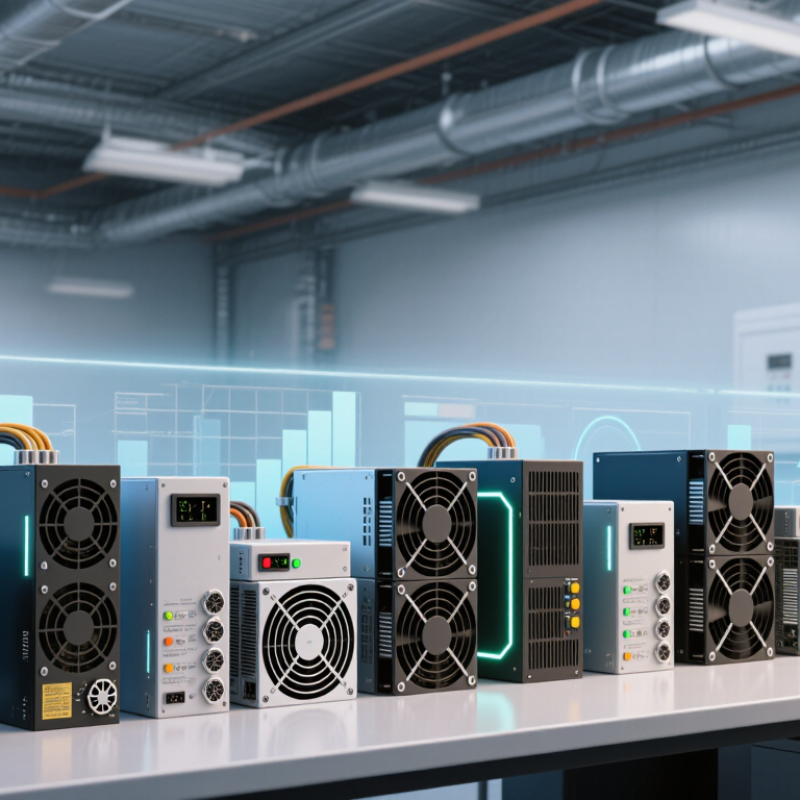
An ASIC crypto miner is a computer built for one narrow task: solving cryptographic calculations. ASIC means application-specific integrated circuit. It does not behave like a normal laptop or gaming computer. Its chips repeatedly test possible numbers, called nonces, against a network target. When a valid result appears, the miner submits proof of work to the network.
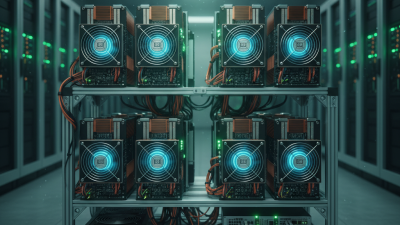
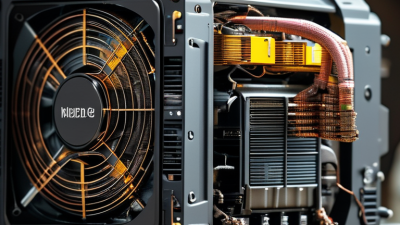
The process is fast but demanding. A miner may produce trillions of calculations each second. It also creates noticeable heat, similar to a compact space heater. Fans push warm air through metal heat sinks, while the power supply delivers steady electricity. Mining software connects the device to a mining pool, where many machines work together and share rewards according to contributed computing power. Small interruptions can reduce earnings.
Choosing equipment requires more than checking the highest advertised speed. Compare hash rate, power consumption, noise, warranty terms, and local electricity prices. A machine using 3,000 watts can significantly increase a household’s monthly bill. Ventilation matters too. Dusty filters, weak wiring, or a hot room can shorten operating life. Check import rules, taxes, electrical standards, and permitted usage in your location. Calculators help, but forecasts remain uncertain. Network difficulty changes, coin prices move, and resale value can fall quickly. I would measure actual power use with a certified meter, because specifications are not always perfectly realistic.
Key Criteria for Comparing the 10 Best ASIC Miners
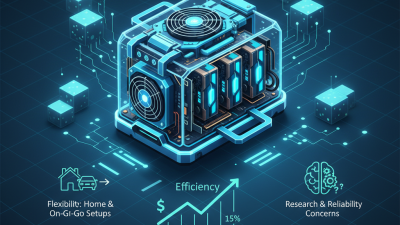
Comparing the 10 best ASIC miners requires more than checking advertised hash rate. Start with efficiency, measured in joules per terahash. A machine producing 100 TH/s may look powerful, but its electricity demand can quickly reduce returns. Use your local power price, not a global average. Small differences matter.
Thermal design deserves equal attention. In practical mining rooms, poor airflow causes throttling, dust buildup, and unexpected shutdowns. Check fan control, operating temperature, noise levels, and power-supply requirements. A unit rated for home use may still sound like a workshop tool. Confirm pool compatibility, firmware update methods, and protection against unauthorized access. These details often receive less attention than performance charts.
Purchase terms also affect the comparison. Examine warranty length, repair procedures, delivery conditions, and replacement-part availability. Calculate the total cost, including electrical installation, ventilation, and maintenance. A lower purchase price is not always better. I have seen estimated payback periods change sharply after seasonal electricity adjustments. That is why published figures should be treated as starting points, not promises. Rankings can still mislead when testing conditions differ. Check independent measurements, record actual power draw, and compare results across several days. Also verify local rules before operating equipment, since requirements vary by location.
Performance, Energy Efficiency, and Mining Algorithm Comparison
The ten best ASIC crypto miners for global buyers should be compared by efficiency, hashrate, and algorithm fit. SHA-256 units usually offer stable Bitcoin performance, while Scrypt hardware targets different network economics. KHeavyHash devices can provide strong output, but coin liquidity and network difficulty change quickly. RandomX is mainly CPU-oriented, so ASIC buyers should avoid confusing algorithm support with marketing claims.
Energy efficiency matters most. A practical shortlist should prioritize machines below 25 joules per terahash for SHA-256 mining. Some newer units reach approximately 15–20 J/TH under controlled conditions. However, laboratory figures can differ from warehouse results. Heat, dust, voltage fluctuation, and rejected shares reduce real output.
The Cambridge Bitcoin Electricity Consumption Index has estimated annual Bitcoin mining demand near 160 TWh in recent reporting. Its findings show why electricity contracts and cooling design can matter more than peak hashrate. The 2024 Hashrate Index reports also highlight how rapidly miner profitability changes with network difficulty and hashprice. A ranking can become outdated within weeks.
Tips: Calculate daily profit using your local tariff, pool fee, and cooling load. Measure at the wall, not only from the product sheet. For global buyers, check input voltage, noise levels, warranty coverage, and replacement-board availability. A 70 dB machine may perform well, yet fail as a practical home purchase. My own preference would favor balanced efficiency over maximum speed, although that choice can sacrifice short-term revenue.
Purchase Costs, Operating Expenses, and Expected Profitability
ASIC miners can look profitable until the full purchase cost is calculated. A new unit may cost hundreds or thousands of dollars, while shipping, import duties, power supplies, and setup add more. Used equipment may reduce the entry price, but worn fans and unstable hashboards create repair risk. Ask for test results, warranty terms, and recent operating history before paying.
Electricity usually determines profitability. A miner drawing 3,000 watts can consume about 72 kilowatt-hours daily. At $0.10 per kilowatt-hour, that equals roughly $7.20 per day before pool fees, cooling, and maintenance. Revenue changes with network difficulty, coin price, and mining rewards. Use current data, not a seller’s best-case estimate. A simple spreadsheet should include downtime, seasonal heat, transaction fees, and currency conversion. My own caution is simple: projected profit often feels too precise. Markets rarely respect neat forecasts.
Tips: Compare efficiency in joules per terahash, not only purchase price. Measure electricity at the wall. Leave ventilation space around each machine. Keep a reserve for replacement fans and unexpected downtime. Check local tax, import, noise, and energy regulations before ordering. A quieter setup may cost more, but it can protect your home environment and reduce complaints. Profit is possible, but patience and repeated calculations matter more than excitement.
10 Best ASIC Crypto Miner Profiles for Global Buyers
Indicative comparison of purchase cost, monthly electricity expense, and estimated monthly net profit. Profiles are anonymized and based on representative ASIC specifications.
Assumptions: BTC hashprice of $0.075 per TH/s per day, electricity at $0.08/kWh, 30-day month, continuous operation, and no pool fees, hosting, maintenance, taxes, cooling, customs, or downtime. Actual profitability changes with Bitcoin price, network difficulty, electricity rates, and machine availability.