How to Choose the Best Bitmain Container from China?
Choosing the best Bitmain Container from China requires more than comparing machine capacity or factory prices. It requires disciplined evaluation of power, cooling, logistics, maintenance, and operating risk. A container may look efficient on a quotation sheet, yet perform poorly beside a dusty substation or in a humid climate. Small details matter. Fan placement matters.
The International Energy Agency has reported that cryptocurrency mining can consume more than 100 terawatt-hours of electricity annually worldwide. The Cambridge Centre for Alternative Finance also identifies electricity pricing and energy efficiency as major drivers of mining competitiveness. These findings make container selection an engineering decision, not simply a purchasing decision. Buyers should verify miner compatibility, rack density, airflow design, noise levels, fire protection, insulation, and spare-parts access. They should also request factory testing records, wiring diagrams, temperature limits, and a clear warranty process. Some suppliers provide impressive photographs. Photographs are not performance data.
Bitcoin energy analyst Nic Carter has stated, “Bitcoin mining is an energy business.” That principle directly shapes the right Bitmain Container. The best unit must match the site’s electricity profile, climate, grid stability, and maintenance capability. A 40-foot container with high-density air cooling may suit a dry location, but immersion cooling could be more practical where heat and dust are persistent. There is no universal winner. That is easy to overlook.
Reliable selection also requires independent verification. Ask for load tests, thermal measurements, component brands, and references from comparable deployments. Chinese manufacturing can offer strong value, but quality varies between factories. A careful buyer should inspect the container before shipment, and perhaps hire a third-party engineer. That extra step feels slow. It can prevent expensive mistakes.
Define Your Bitmain Container Requirements and Mining Goals
How to Choose the Best Bitmain Container from China?
Define your mining goals before comparing container quotations. Decide your target hashrate, acceptable noise level, power budget, and deployment location. A field-ready plan should list machine count, unit wattage, voltage, cooling method, and cable capacity. Measure the site, not just the brochure. A container filled with miners can create intense heat within minutes. Leave space for airflow, maintenance, and safe electrical inspection. It sounds obvious, but many buyers underestimate service access.
Power cost usually controls profitability. The Cambridge Centre for Alternative Finance reported that sustainable electricity supplied 52.6% of surveyed Bitcoin mining in its 2023 Global Bitcoin Mining Data Review. This figure does not guarantee low operating costs. Request verified energy rates, seasonal changes, and grid limitations from the site operator. The International Energy Agency expects data centres, cryptocurrency, and artificial intelligence to approach 1,000 TWh of electricity demand by 2026. Efficiency deserves serious attention.
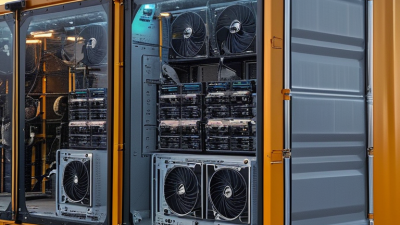
Choose air cooling for simpler maintenance, or immersion cooling for higher density and controlled temperatures. Check the container’s thermal design at the hottest local temperature, not at a comfortable showroom temperature. Ask for measured noise, fan redundancy, fire protection, drainage, and remote monitoring details. I have seen attractive calculations fail because dust loading and winter condensation were ignored. A spreadsheet may look precise while hiding weak assumptions. Recalculate payback under lower coin prices, higher tariffs, and several weeks of downtime. That uncomfortable scenario is often the most useful one.
Compare Container Types, Capacities, and Cooling Configurations
How to Choose the Best Bitmain Container from China?
Compare Container Types, Capacities, and Cooling Configurations
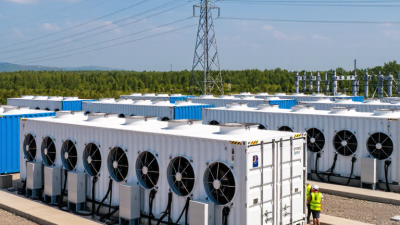
Choosing a mining container from China starts with capacity, not appearance. A 20-foot unit may suit a compact site with limited power access. A 40-foot model offers more rack space, but transport and foundation costs increase. In practice, leave room for airflow, maintenance, and future equipment changes. Full racks look efficient. They can become difficult to service.
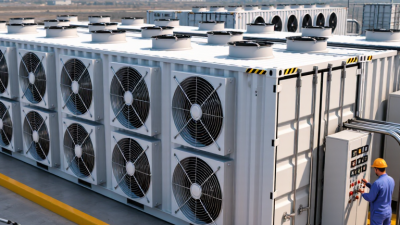
Cooling configuration matters more than the container’s exterior finish. Air-cooled designs work well in dry, moderate climates with reliable ventilation. They need filtered air, strong exhaust fans, and regular dust inspection. Hydro or immersion systems can manage higher heat density, yet they require pumps, heat exchangers, fluid controls, and trained technicians. The wrong cooling choice creates unnecessary downtime. It also raises operating costs.
Ask the supplier for measured noise levels, cooling capacity, electrical diagrams, insulation details, and factory test records. Confirm whether the stated capacity reflects usable rack space or a theoretical maximum. That distinction is important. I have seen attractive specifications hide narrow service aisles and weak airflow planning. A spreadsheet can still mislead. Request container dimensions, shipping weight, power limits, and replacement-part availability before placing an order. Site climate, electricity quality, and technician experience should shape the final comparison, not price alone.
Evaluate Chinese Manufacturers, Quality Standards, and Certifications
How to Choose the Best Bitmain Container from China?
Evaluate Chinese Manufacturers, Quality Standards, and Certifications
A reliable container begins with a transparent manufacturer. Check its legal registration, production history, factory address, and export experience. Request recent project references, not only polished brochures. A video tour helps, but an independent inspection is stronger evidence. Examine welding seams, door seals, cable routes, and internal drainage. Small details matter.
Ask for drawings before discussing price. The documents should show cooling capacity, electrical load, fire protection, noise levels, and maintenance access. Confirm whether the container supports your climate and local grid conditions. A factory may offer ISO 9001, ISO 14001, CE, or RoHS documents. Verify certificate numbers, issuing bodies, expiration dates, and covered products. A certificate for one component may not cover the complete container.
My first checklist would have been too simple. Price and delivery time can hide important weaknesses. Request material specifications, factory acceptance tests, and a written warranty. Test alarms, emergency shutdowns, temperature sensors, and ventilation under realistic loads. Ask how spare parts are stored and how technical support responds after installation. Get every promise in the contract. Chinese manufacturing can be highly capable, yet quality may vary between production batches. A pre-shipment inspection remains worthwhile.
Check Pricing, Customization, Shipping, and After-Sales Support
Choosing a mining container from China requires more than comparing the lowest quotation. A reliable evaluation checks the full price, including cooling equipment, electrical cabinets, monitoring tools, packaging, and export documentation. Ask for a line-by-line quotation. Hidden costs can change the budget quickly.
Customization should match your site conditions. Confirm machine capacity, ventilation design, noise control, cable layout, and local voltage requirements. Request drawings before production. A small layout error may create expensive installation work. I once saw a project overlook winter airflow, which caused avoidable heating problems. That detail deserved more attention.
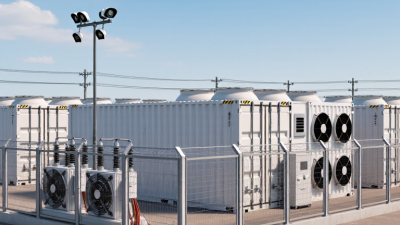
Shipping plans need clear responsibility. Confirm the container dimensions, loading method, delivery port, insurance, customs documents, and estimated schedule. Sea freight may appear inexpensive, but storage charges can rise when documents arrive late. Use a written inspection checklist before shipment. Photos should cover the frame, doors, wiring, cooling units, and serial records.
After-sales support often separates a dependable supplier from a risky purchase. Check warranty duration, response times, spare-parts availability, remote troubleshooting, and onsite service options. Ask who pays for replacement shipping. Get these terms in the contract, not only in messages. Support promises can sound strong. Written procedures are stronger. A supplier should also provide installation guides, maintenance intervals, and safety instructions. Test one sample unit when possible, because assumptions are costly.
Inspect the Supplier and Confirm the Final Purchase Agreement
Choosing a Bitmain container from China requires more than comparing prices.
Inspect the supplier before discussing payment. Request a registered company certificate, factory address, export history, and recent container photographs. Ask for a live video inspection showing serial labels, control panels, cooling units, and fire-safety equipment. The Cambridge Centre for Alternative Finance reported that sustainable energy represented 52.6% of surveyed cryptocurrency mining electricity in 2022. This makes power sourcing and operating efficiency important purchase questions.
Review the supplier’s test records, not only marketing sheets. Check measured hash rate, power consumption, temperature range, airflow, noise, and protection ratings. The IEA’s Electricity 2024 report estimated that data centres, artificial intelligence, and cryptocurrency operations used about 460 TWh globally in 2022. Their electricity demand could exceed 1,000 TWh by 2026. Small efficiency gaps become expensive quickly. I once focused too heavily on unit price. That was a mistake.
The final purchase agreement should list the exact container configuration, quantity, performance tolerance, delivery schedule, Incoterm, inspection method, warranty, spare-parts scope, and refund conditions.
Define who pays for testing, port storage, installation damage, and delayed delivery. Include acceptance criteria based on measured results, not promises. Use staged payments tied to factory inspection and successful commissioning. Keep every change in writing. Vague clauses create costly arguments. A signed agreement is not automatically a safe agreement. Have an independent technical and legal professional review it before funds move.